Wondering whether Mountain’s Edge is the right place to buy your first home? If you are trying to balance budget, lifestyle, monthly costs, and commute, this southwest Las Vegas master-planned community can look appealing at first glance. The good news is that Mountain’s Edge offers a wide range of home types, established amenities, and strong access to major roads, but it is not the perfect fit for every buyer. Let’s break down what you should know before you decide.
What Mountain’s Edge Is Like
Mountain’s Edge is an established master-planned community in Enterprise, in the southwest part of the Las Vegas Valley. Clark County describes it as roughly 2,500 acres, with residential, office, commercial, and public facility uses built into the plan. The community’s HOA site says it now has more than 12,500 residences.
That matters if you are a first-time buyer because you are not shopping in a brand-new blank-slate area. Instead, you are looking at a community that has been around for years, with different sections, different home ages, and different HOA setups. Clark County notes the original approval dates back to 2002.
Why First-Time Buyers Consider It
For many first-time buyers, Mountain’s Edge stands out because it offers more than one entry point. The community has long included smaller, starter-oriented homes along with larger move-up options. That gives you a chance to compare homes by budget, size, and upkeep level instead of being forced into one narrow category.
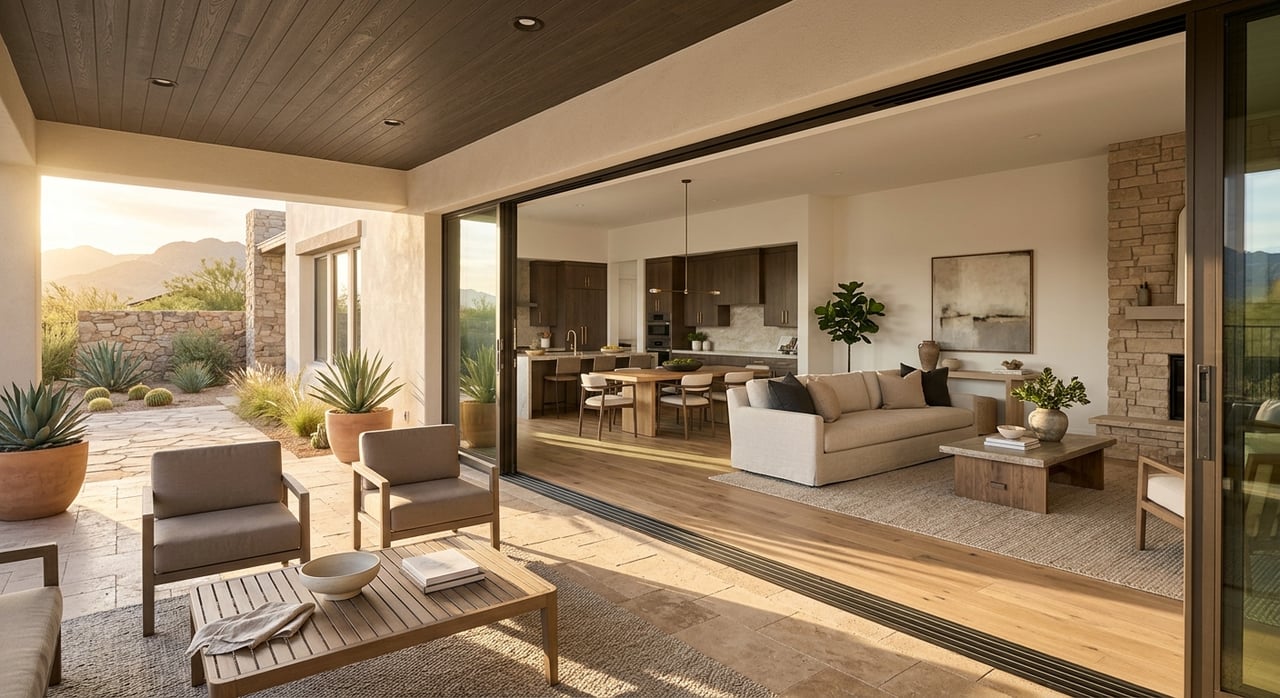
It also appeals to buyers who want a neighborhood with built-in parks, trails, and a master-planned feel. If you like the idea of having shared outdoor spaces and a more organized community layout, Mountain’s Edge checks that box. If you want a simpler neighborhood with fewer shared obligations, it may feel like more structure than you want.
Home Types You Can Expect
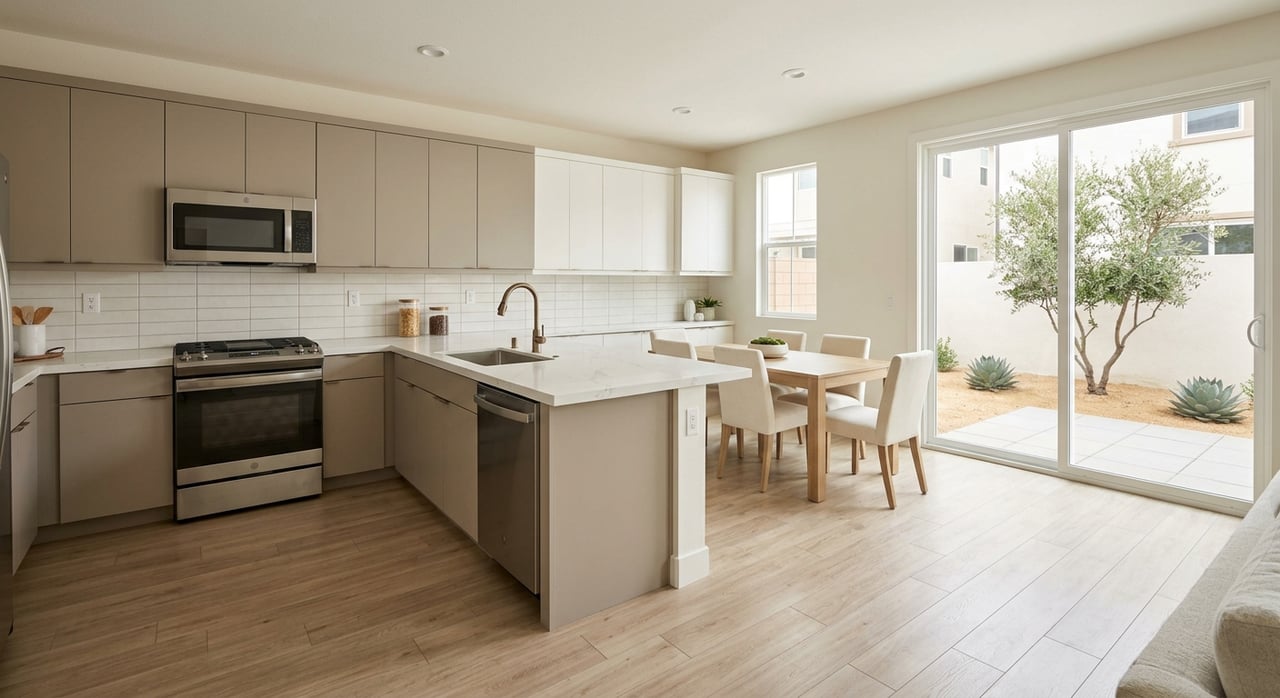
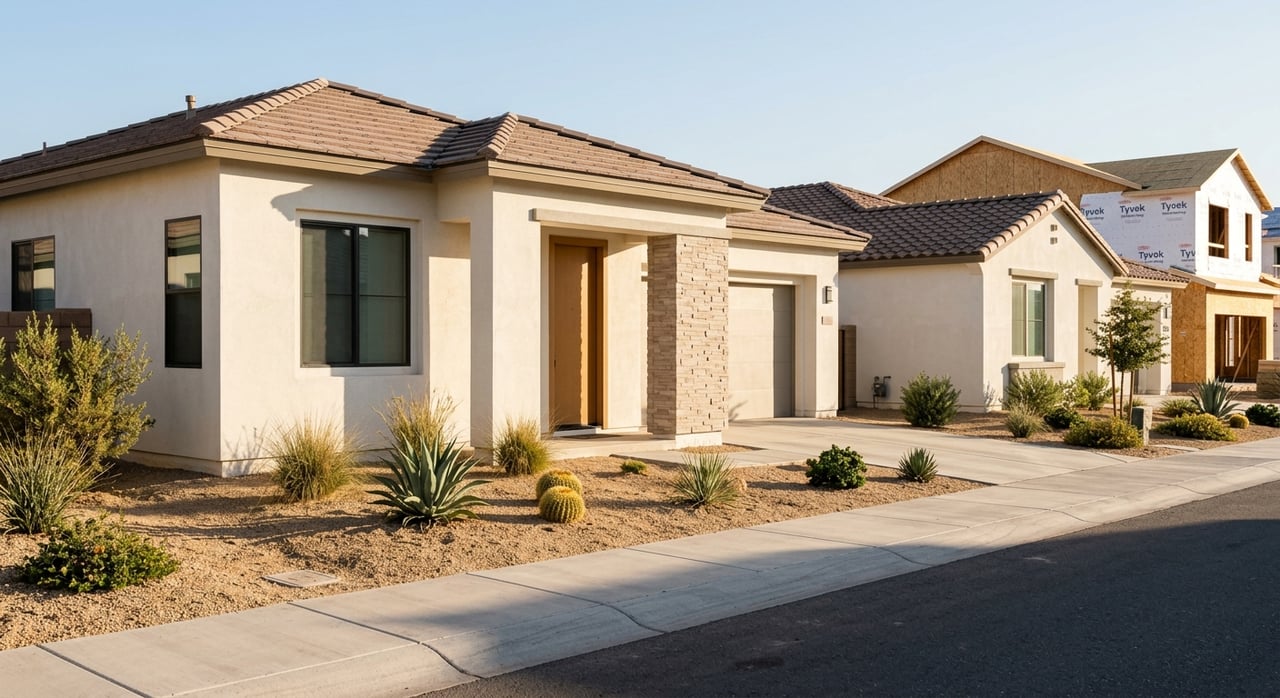
One of the biggest strengths of Mountain’s Edge is variety. Current and recent builder offerings show that the community includes smaller, lower-maintenance homes, mid-size detached homes, and larger properties with features geared toward buyers who need extra space.
Some homes in the community have offered around 1,465 to 2,174 square feet with 3 bedrooms and 2 to 3 bathrooms. Other options have ranged from about 2,050 to 2,830 square feet, with 3 to 5 bedrooms, lofts, courtyards, and 3-car garages. Some plans have also highlighted multigenerational layouts or oversized garage options.
For you as a first-time buyer, the key is to think in terms of lifestyle.
Lower-maintenance options
If you want less yard work and less exterior upkeep, smaller homes or attached products may be worth a closer look. These can be a practical starting point if you want homeownership without taking on a large property right away.
Mid-size detached homes
If you need more room for a home office, guests, or a growing household, Mountain’s Edge also includes detached homes in a more traditional suburban format. These tend to offer a balance between space and maintenance.
Larger move-up homes
Some parts of the community include larger homes with bigger garages, more bedrooms, and features that support multigenerational living. These may be less relevant for some first-time buyers, but they show the range of the community if you are planning ahead.
Lot Sizes Can Vary More Than You Think
A common mistake is falling in love with a floor plan before checking the actual lot. In Mountain’s Edge, lot sizes can vary a lot depending on the product type and section of the community.
Recent listing examples showed a townhome lot of 2,178 square feet, while detached homes ranged from about 3,920 to 8,276 square feet. One larger example was listed at 0.17 acres. That means your outdoor space, privacy, and maintenance level can look very different from one home to the next.
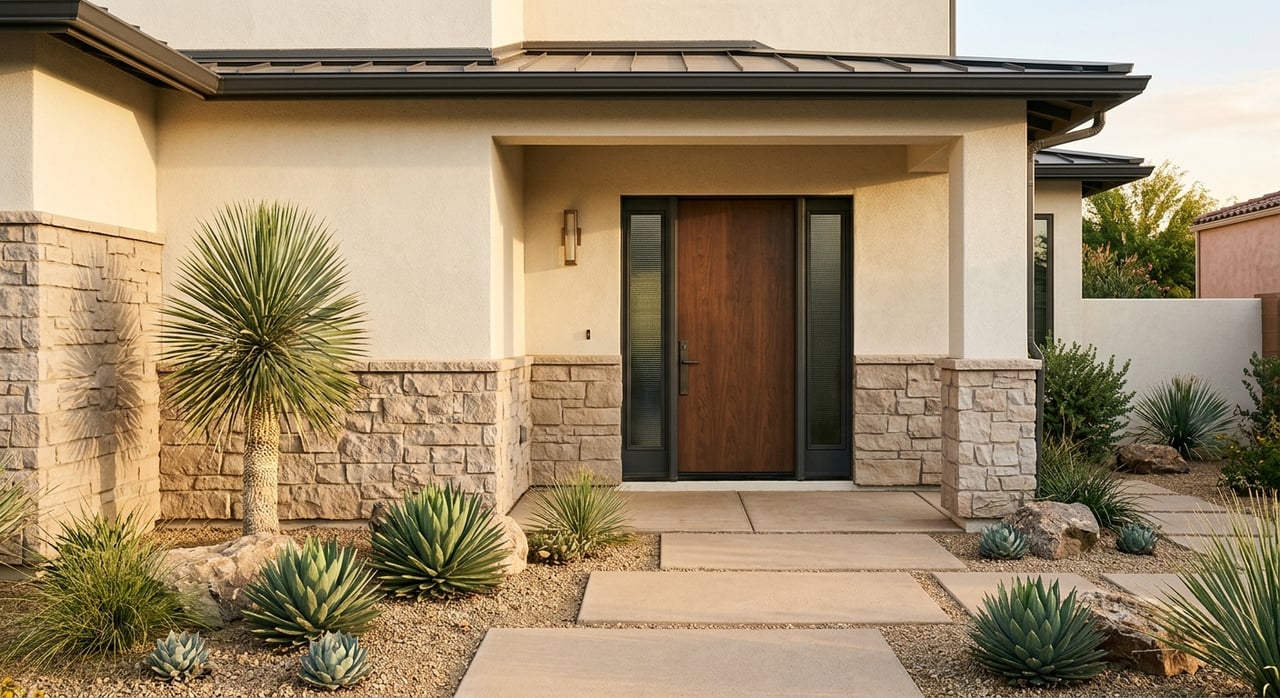
If outdoor living matters to you, compare homesite sizes early in your search. Two homes with similar interior square footage can feel very different once you step outside.
HOA Costs Deserve a Close Look
This is one of the most important things first-time buyers should understand before writing an offer in Mountain’s Edge. The community has a layered HOA structure, which means you may have more than one HOA fee.
According to the official HOA site, residents’ assessments help pay for maintenance of community parks, including Exploration Peak Park, Paiute Park, and Nathaniel Jones Park. The site also notes multiple paseos and walking trails throughout the community. At the same time, Mountain’s Edge Regional Park is owned, managed, and maintained by Clark County, not the master association.
Some neighborhoods within Mountain’s Edge may also have their own separate amenities and fees. Recent examples in the community showed this can include things like pools, splash pads, gated access, outdoor gathering areas, and other neighborhood-level features.
One current builder example lists HOA fees of $165 per month. A recent resale listing showed stacked quarterly HOA fees of $135 plus $86. That is a strong reminder that your total monthly housing cost is not just principal, interest, taxes, and insurance.
Questions to ask about HOA fees
Before you move forward on any home, ask for:
- The master HOA amount
- Any sub-association or neighborhood HOA amount
- What each fee covers
- Whether the home is in a gated section
- Whether the neighborhood includes a pool, park, or other added amenities
This step can help you avoid surprises and compare homes more accurately.
Parks and Amenities Are a Real Draw
If access to outdoor amenities matters to you, Mountain’s Edge has a lot going for it. The HOA highlights parks and walking trails throughout the community, which supports the master-planned lifestyle many buyers want.
Mountain’s Edge Regional Park is also a major feature nearby. Clark County describes the park as offering playgrounds, large sports fields, trails, picnic areas, basketball, a fitness room, running and walking paths, and soccer features.
Clark County has also announced funding for park enhancements that would add a soccer complex, pickleball complex, community botanical garden, and trail realignment. For buyers who want recreation close to home, that is a meaningful plus.
What the Commute Is Really Like
Mountain’s Edge benefits from its southwest valley location. Clark County places it south of Blue Diamond Road and west of Rainbow Boulevard, and builder materials consistently highlight access to Blue Diamond Road.
For daily life, that means your experience will depend a lot on how comfortable you are using Blue Diamond Road along with I-215 and I-15. This location can be a strong fit if you want access to the Strip, the airport, and job centers across the valley.
At the same time, it may be less ideal if your top priority is being as central as possible. If you work in multiple parts of town or want the shortest possible drive to everything, you should reality-check the commute before committing.
When Mountain’s Edge Is a Good Fit
Mountain’s Edge may be a strong first-home community for you if:
- You want an established master-planned community rather than a blank-slate area
- You like parks, trails, and shared outdoor amenities
- You want options across different home sizes and maintenance levels
- You are open to HOA living if the amenities and upkeep feel worth it
- Your commute works well through Blue Diamond Road, I-215, and I-15
For many first-time buyers, that combination creates a practical path into homeownership with room to stay in the area as needs change.
When It May Not Be the Best Fit
Mountain’s Edge may be a weaker fit if:
- You want HOA-free living
- You prefer a very low-key subdivision with fewer shared obligations
- You want a very large lot as a starting point
- You need the most central location possible
- You do not want to sort through different HOA layers and amenity packages
None of those points make the community bad. They just mean it is important to match the area to your priorities, not just the listing photos.
How to Decide With Confidence
If you are considering Mountain’s Edge as your first home community, the smartest approach is to compare homes through the lens of total lifestyle fit. Price matters, but so do HOA dues, lot size, maintenance level, and your daily drive.
A good short list should include more than square footage and bedroom count. It should also include how each home feels month to month, how much outdoor space you actually want, and whether the community setup supports the way you plan to live.
Mountain’s Edge can be a strong option for first-time buyers who want a southwest Las Vegas location, a master-planned setting, and choices across different home styles. If you take the time to compare the details carefully, you will have a much better chance of choosing a home that fits both your budget and your routine.
If you want help comparing Mountain’s Edge homes, HOA structures, or resale versus new-construction options in southwest Las Vegas, Erica Knox can help you sort through the choices with clear, practical guidance.
FAQs
Is Mountain’s Edge in Las Vegas a good place for a first home?
- Mountain’s Edge can be a good first-home option if you want a master-planned community with parks, trails, and a range of home sizes, but you should compare HOA costs, lot sizes, and commute patterns before deciding.
What kinds of homes are available in Mountain’s Edge?
- Mountain’s Edge includes smaller low-maintenance homes, mid-size detached homes, and larger move-up options, with examples ranging from about 1,465 to 2,830 square feet in recent and current community offerings.
Do Mountain’s Edge homes have HOA fees?
- Yes, Mountain’s Edge has HOA fees, and some homes may have both a master HOA and a neighborhood HOA, so it is important to ask for the full fee structure and what each fee covers.
What amenities does Mountain’s Edge offer?
- Mountain’s Edge includes HOA-managed parks, walking trails, and paseos, and the nearby Mountain’s Edge Regional Park offers playgrounds, sports fields, trails, picnic areas, basketball, a fitness room, and more.
Is Mountain’s Edge a good location for commuting in Las Vegas?
- Mountain’s Edge can work well for buyers who are comfortable using Blue Diamond Road, I-215, and I-15 for access to the Strip, airport, and other valley job centers, but it may be less ideal if you want a more central address.